
Why A Property Inspection Before Selling Is A Good Idea
- Written by iVillage

When it is time for you to sell your home, you’re probably willing to have a buyer's inspection happen, and this is when the buyer arranges for an inspection before committing to a purchase, but did you know you can also order an inspection for your property as a seller?
Let’s go over why it’s a good idea.
- Find More Serious Buyers
There are so many reasons to get your property inspected, but the biggest one is that your real estate agent can attach this inspection to your home’s listing, which means more buyers will show interest in your property. This is something that gives your prospective buyers peace of mind as to the condition of the home and justifies coming for an inspection in the future.
- You Know the Condition Of The Property
When you as an owner understand the condition of the property you can address major and minor issues to prevent things from getting worse. By fixing these issues and being sure of the quality of your home, if it comes time to negotiate, you can be much more competitive overall. Ray White Diamantidis Group is a customer focused real estate agency which brings the right people together for the best results.
- Predict Costs in the Future
When you get a property investment before listing for sale you can be aware of what needs replacing. For example, you may have wanted to renovate your bathroom before a sale, but what if the inspection shows your kitchen’s pipes are leaking? Now there’s a renovation you should do before selling that takes more importance than the bathroom. This will help you plan and budget for renovations and get a better price on your home in the future.
- Set Expectations Correctly
You will want to go to a sale with the right perspective on the value of your property. A property inspection can show hidden factors that will affect this value, and this will help you make a great price, this then leads to faster sales and less hassle with negotiations. This is vital as negotiations need to be based on the value of the property and not your attachment to the home itself.
- You Get Peace of Mind
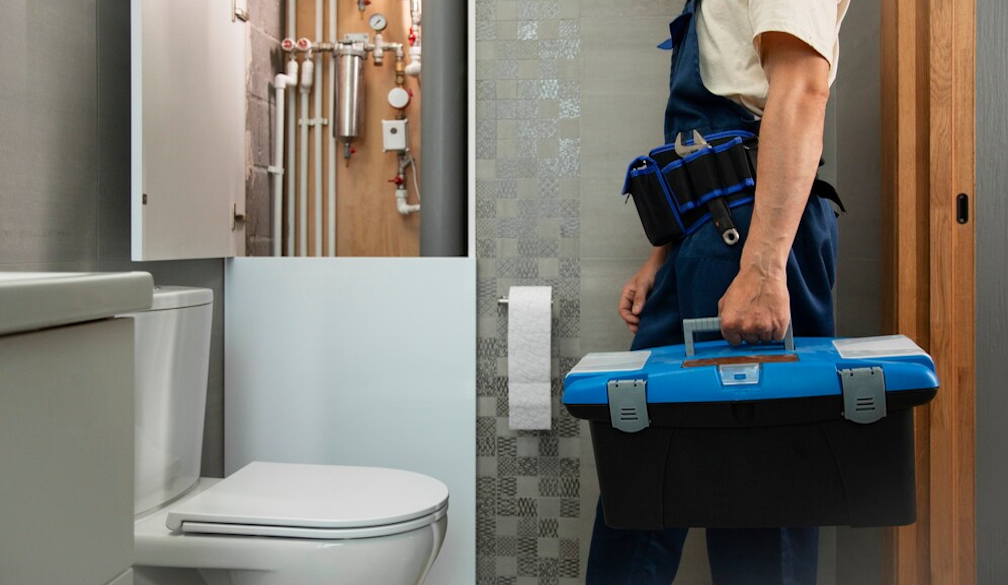
When you get a property inspection done for your home, you can better understand the health of your home, from the air conditioning to the plumbing. When you know this, you can have peace of mind in knowing that even if a buyer asks for an inspection, there’s nothing serious, or perhaps you need to make some improvements before going ahead with listing your home. Regardless of what the outcome is, being more informed is always a good idea!
When it’s time to sell, you will want the best real estate agent on your side to help you maneuver through the world of selling property. So contact Established Property and make life easier for yourself!