Call Curran: Your Go-To Solution for Plumbing, Electrical, and HVAC Services
- Written by iVillage
For over three decades, Call Curran has set the gold standard in providing exceptional plumbing, electrical, heating, and cooling services across New South Wales, covering areas like Wollongong, Shoalhaven, Illawarra, and Sutherland Shire. This family-owned and award-winning business is renowned for its commitment to excellence, professionalism, and customer satisfaction.
What truly distinguishes Call Curran is their dedication to providing same-day service and transparent pricing with a no-hidden-costs approach. Whether it’s a burst pipe, faulty wiring, or a malfunctioning air conditioning unit, their skilled team of licensed technicians is equipped to handle emergencies and routine maintenance with efficiency and precision.
Plumbing Services Tailored to Your Needs
From minor leaks to major renovations, Call Curran’s plumbing team delivers reliable, high-quality solutions for any problem. They are experts in diagnosing and fixing blocked drains, burst pipes, water heater issues, and more. Using the latest tools and technologies, their professionals ensure long-lasting repairs and installations that are compliant with industry standards.
Their water heater installations are particularly notable, offering energy-efficient solutions that not only ensure hot water when you need it but also help reduce your energy bills. Call Curran understands that every home is different, and they tailor their solutions to meet your specific needs, ensuring that all installations and repairs are done to your satisfaction.
Electrical Services Backed by Expertise and Safety
Call Curran takes pride in offering comprehensive electrical services, ensuring your home’s safety and efficiency. Whether it’s a complete home rewire, panel upgrades, or installation of new outlets, their team of certified electricians ensures the job is done right the first time. They follow strict safety protocols and guarantee all work complies with Australian safety standards.
One standout service is home automation integration. Call Curran can transform your home into a smart haven by installing and maintaining systems that allow you to control lighting, security, and energy use from your smartphone or other devices.
Heating and Cooling Solutions to Keep You Comfortable Year-Round
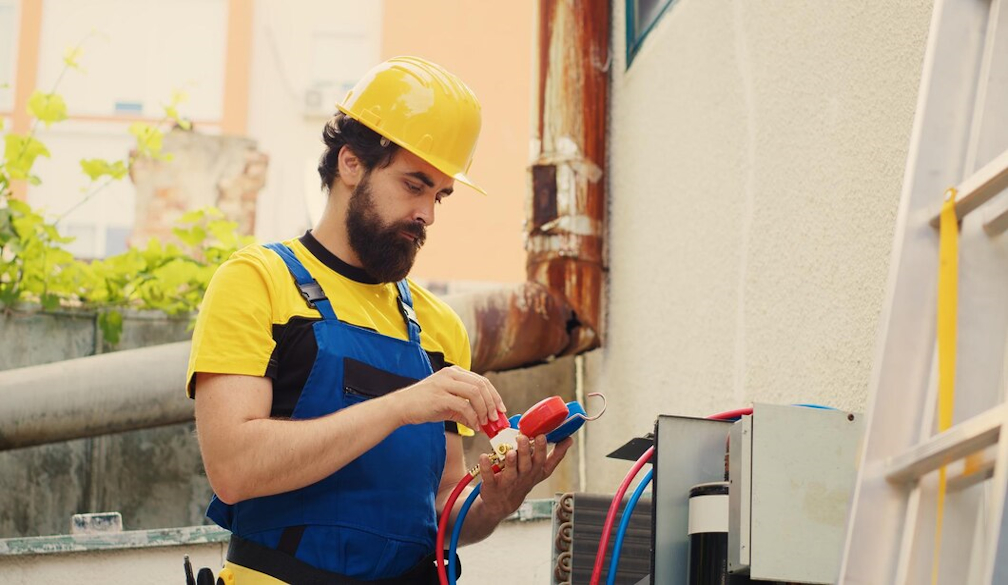
Your home’s heating and cooling systems are critical for maintaining comfort, especially during extreme weather conditions. Call Curran specializes in air conditioning installations, repairs, and maintenance, ensuring your system operates efficiently throughout the year. Their HVAC team is equipped to handle all major brands and models, offering advice on the best solutions to maximize efficiency while minimizing energy costs.
Additionally, their heating services cover everything from furnace repairs to complete installations, ensuring your home stays warm in the colder months. Their commitment to sustainable, energy-efficient systems ensures that your home is comfortable and environmentally friendly.
Why Choose Call Curran?
- Same-Day Service Guarantee: Emergencies don’t wait, and neither does Call Curran. Their rapid response team is always ready to tackle urgent repairs, ensuring minimal disruption to your daily life.
- No-Obligation Quotes and Transparent Pricing: You’ll never be surprised by unexpected costs. Call Curran offers upfront pricing and detailed quotes before any work begins, so you know exactly what you’re paying for.
- Highly Skilled, Licensed Technicians: Each member of their team is fully licensed, trained, and committed to providing the highest level of service. They bring years of experience and expertise to each project, guaranteeing professional and reliable results.
- Family-Owned and Operated: Call Curran has built a reputation over three decades by putting customer satisfaction at the heart of everything they do. Their family-owned business is dedicated to building long-term relationships with their clients, ensuring they remain the first choice for home services in NSW.
- Environmentally Friendly Solutions: Call Curran’s focus on sustainable solutions means they are always looking for ways to reduce energy consumption in homes. From water-saving fixtures to energy-efficient heating and cooling systems, they help customers lower their environmental impact and save on utility costs.
Experience the Call Curran Difference
When it comes to home services, Call Curran is more than just a service provider—they are your trusted partner. Whether it’s routine maintenance or a complex installation, their team is dedicated to providing you with the best possible solutions for your home’s plumbing, electrical, and HVAC needs. With decades of experience, a commitment to transparency, and a customer-first philosophy, Call Curran is the name you can trust to keep your home running smoothly.
Visit callcurran.com.au today to schedule a service or get a free, no-obligation quote, and experience why they are NSW’s most trusted home service provider!